Time limits keep running while you talk. Estates have strict deadlines, for creditors’ claims, for challenging a will, and for a surviving spouse’s choices. Talk with your own lawyer about the deadlines in your situation before you mediate, and don’t let them pass.
Can a family mediate an estate dispute?
Yes, privately, when everyone involved agrees to. You can mediate before anyone challenges a will, or while a probate case is open.
What families mediate
- Personal things and heirlooms: who gets what, and how to divide things that matter more than they’re worth.
- The house: keep it, sell it, or have one of you buy out the others.
- How and when the executor distributes the estate.
- The executor’s accounting: questions about what’s been spent and why.
- A challenge to the will, settled by agreement instead of a trial.
Often the hardest part is that people ”don’t understand the process” and ”feel like they’re being taken advantage of,” in Brenda’s words. Part of mediation is making sure everyone understands how things work, so the conversation can move to what to do.
What mediation can’t decide on its own
- Whether a will is valid is for a court to decide.
- An agreement that changes who gets what under a will, or under the law when there’s no will, may need everyone affected to sign it, and the probate court’s approval.
- Each person should have their own lawyer review any agreement before signing.
For your specific situation, talk with your own lawyer.
Who should be at the table
Everyone whose share could be affected: the heirs or beneficiaries, and the executor or administrator. Anyone with a lawyer can bring them. If someone involved is a minor, or can’t make decisions for themselves, they may need someone to represent them; ask your own lawyer. With or without your lawyers
A surviving spouse’s share
So everyone mediates knowing the law, here’s one rule in brief. A surviving spouse in Tennessee can choose to take an “elective share” of the estate instead of what the will, or the law when there’s no will, leaves them. The share depends on how long they were married: 10% for under 3 years, 20% for 3 to under 6, 30% for 6 to under 9, and 40% for 9 years or more. Years married to the same person count together, even if a divorce came in between (Tennessee Code § 31-4-101).
The share is figured on the net estate, and there are deadlines and other rules. This is information, not advice to anyone. For your specific situation, talk with your own lawyer.
Grief, and the family afterward
Grief changes how people hear each other. Brenda has watched what happens when someone dies and, in her words, ”grief takes over.” In mediation, we keep the conversation on the decisions in front of you, not on old hurts.
A mediator who knows probate
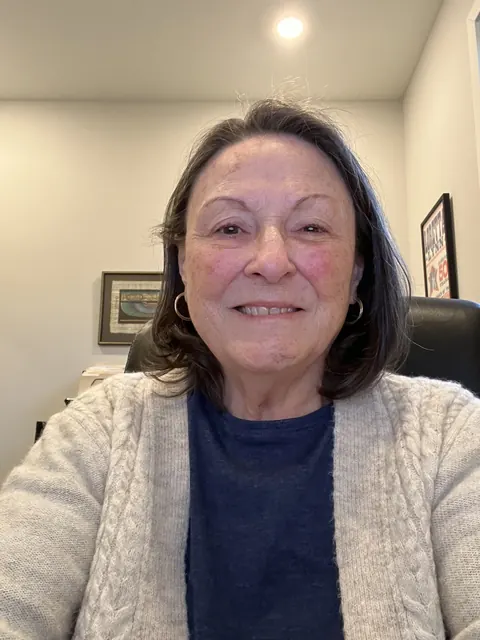
Brenda has handled wills, probate, estates without a will, and contested estates as a lawyer. Disputes over ”how things should be done and divided,” she says, ”I understand that because I’ve litigated those issues.” As your mediator, she uses that understanding to help everyone see how the process works. She doesn’t take anyone’s side.
When we can’t mediate it
If Brenda wrote the will, represents the executor or anyone in the family, or has represented any of you before, she can’t mediate it. She won’t represent anyone in the family in a matter she mediates. The same check applies to our other mediator, Joshua David Little. Please tell us at the first call, and we’ll check before agreeing to mediate.
What people say about working with Brenda
“Brenda is a wonderful lawyer! Kind, compassionate, empathetic, understanding, knowledgeable, fair, and a trusted legal advisor. I’m very grateful she was my guide through an extremely difficult experience.”
These reviews are from people Brenda represented as their lawyer. When Brenda serves as your mediator, she is neutral and represents neither of you. None of these reviews is about an estate or about mediation. Every case is different. Past results don’t guarantee a future outcome. Brenda Clark, Attorney: Rated 4.8 on Google, as of October 29, 2026.
Questions people ask
Do we all have to agree to mediate?
Yes. Everyone whose share is affected needs to take part willingly.
Can we mediate online if family members live far away?
Yes, anywhere in Tennessee. If some family live out of state, ask us at your free consultation. Online mediation
Can mediation stop a probate case?
Not on its own. What you agree may need the court’s approval. Ask your own lawyer.
What about deadlines?
They keep running. Talk with your own lawyer about them before you mediate.
Ready to talk?
The first mediation consultation is free. Any of you can call.
Written by Brenda Clark, Attorney and Mediator · Reviewed November 2026
Not quite your situation? How it works · With or without lawyers · What a mediator does · After a long marriage · I’d rather explain it
For the law itself: Probate and estates on Brenda’s family-law site (information only).